

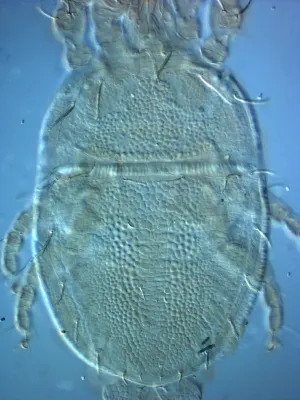
Mites of the genus Cenopalpus are plant-feeding pests that can cause significant damage to fruit and ornamental plants, such as apples and peaches. These mites are mainly found in Asia, Europe, and northern Africa, but the global trade of plants is facilitating their spread to new areas. This study examined official border inspections from several countries to understand how often and where Cenopalpus mites are being transported. Between 1981 and 2024, a total of 98 interceptions were recorded in New Zealand, South Africa, and the USA, while no interceptions were reported from Australia, Laos, Malaysia, or Singapore. The most frequently detected species were the flat scarlet mite, Cenopalpus pulcher, followed by C. lanceolatisetae. Most interceptions involved fruit plants, especially apples and stone fruits, imported from Europe and the Middle East. Some of these reports represent first interception records in trade, providing evidence of cross-border movement that may pose a growing threat to agriculture. Taxonomic uncertainty may make it difficult to identify Cenopalpus mites in interception records, showing the need for better diagnostic expertise. These findings highlight the importance of continued surveillance and accurate identification of mites in plant trade to support plant biosecurity and prevent the establishment of new pests.
References to publications are provided as an information service only and do not necessarily constitute endorsement.